

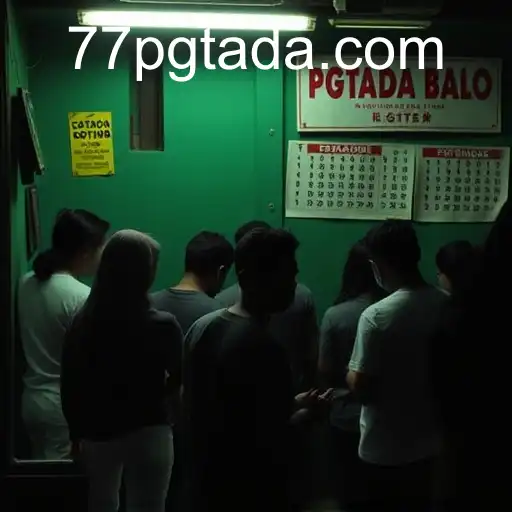
Understanding Jueteng: A Closer Look
1575WINJueteng is an illegal numbers game that has been prevalent in the Philippines for decades. This underground lottery has permeated various levels of society, from urban centers to rural areas, intertwining with local culture and politics. Despite numerous government efforts to eradicate it, Jueteng remains deeply entrenched, largely due to its accessibility, ease of participation, and the hope it offers for financial gain.
The Mechanics of Jueteng
The mechanics of Jueteng are relatively simple. Participants place bets on a combination of numbers, typically ranging from 1 to 37 or 1 to 40. The winning numbers are drawn twice daily, and they are often announced through informal channels, including local word of mouth or community leaders known as "cobradores." Bets can be as low as a few pesos, making it accessible to people from all economic backgrounds.8CC
The Role of PGTADA in Jueteng Operations
PGTADA plays a crucial role in organizing and managing Jueteng operations. Although its exact meaning or formal establishment is elusive, PGTADA is often associated with the group or individuals who facilitate the game, ensuring its smooth operation across different regions. This involves coordinating draw times, managing financial transactions, and ensuring that the results are disseminated accurately without interference from law enforcement.
Historical Context and Cultural Significance
Jueteng has a long and complex history that dates back to the Spanish colonial era. It has since evolved into a significant cultural phenomenon, a part of daily life for many Filipinos. The game operates in a grey area of legality, with various degrees of acceptance among local communities and mixed responses from authorities.
In some regions, Jueteng is perceived not just as a game of chance but as a social event. Its significance is reflected in how it brings people together, fostering communal ties and shared experiences. Additionally, for many, Jueteng offers a glimmer of hope amid economic challenges, providing a rare chance to improve their financial situation.2026kk
Socio-Economic Impact of Jueteng
The socio-economic impact of Jueteng in the Philippines cannot be understated. For many, it represents a source of income. Those involved in its operation – from the lowest foot soldiers to the highest organizers – depend on it as a livelihood. Moreover, Jueteng has an informal yet significant impact on local economies, with substantial sums of money exchanging hands daily.
However, the benefits of Jueteng are weighed against its potential drawbacks. Its illegality poses risks of corruption, with accusations of payoffs to police and government officials being commonplace. Additionally, reliance on Jueteng can exacerbate poverty, as individuals may spend substantial amounts on bets rather than necessities, hoping for a big win.
Legal Challenges and Government Initiatives
Efforts to legalize and regulate Jueteng have been met with resistance due to its deeply rooted nature. Various administrations have attempted crackdowns, only to encounter the complexity of dismantling a well-entrenched system that many benefit from. Moreover, Jueteng is often associated with high-level corruption, complicating efforts to curtail its spread.
Some have proposed integrating Jueteng into the government-sanctioned lottery systems as a means of control and revenue. However, such initiatives have often stalled due to legal, ethical, and logistical challenges.
Conclusion: Navigating the Future of Jueteng and PGTADA
148bet.comThe future of Jueteng and its interlinked operation with PGTADA remains uncertain. As a deeply embedded element of Filipino culture and society, any change requires careful navigation, balancing regulation with the socio-economic realities faced by many. Understanding Jueteng's position in society through lenses like PGTADA's influence offers insight into both the challenges and opportunities for reform.
T55